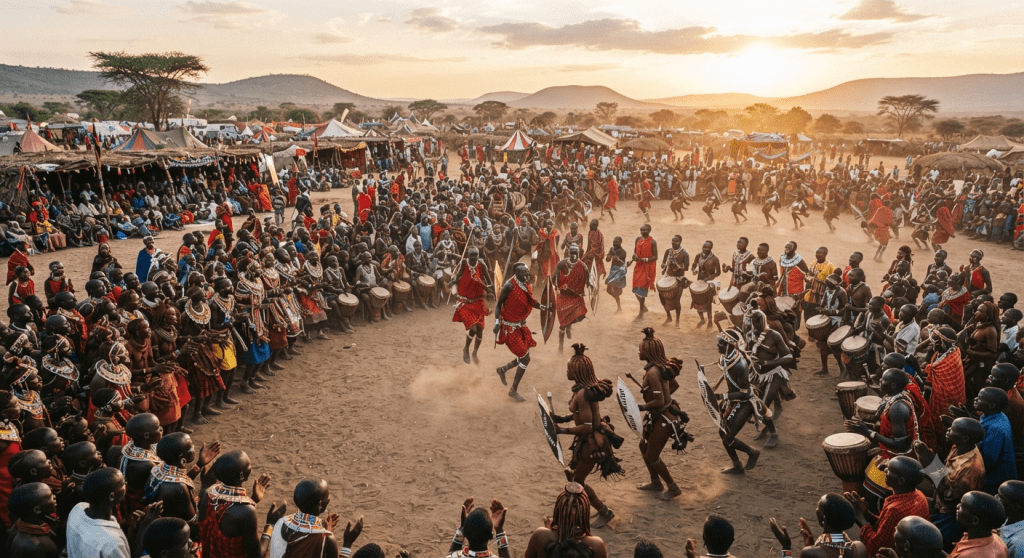
The History Behind the Slurs: How Colonial Powers Weaponized Speech

Language has always been a powerful tool in human history, but during the colonial era, it was systematically weaponized. European colonizers frequently used derogatory terms to strip Indigenous, African, and mixed-heritage peoples of their identity, sovereignty, and humanity. By examining these historical slurs, we can better understand how colonial powers sought to justify land theft, enslavement, and cultural erasure.

Dehumanizing Indigenous Americans

To justify the violent seizure of ancestral lands, European settlers used language to frame Indigenous peoples as subhuman or inherently inferior to Europeans. This rhetoric laid the groundwork for centuries of systemic displacement:

Savage: Colonizers used this term to falsely label Indigenous peoples as wild, lawless, or uncivilized. This deliberate framing made the violent theft of land look like a “civilizing mission.”
Redskin: A derogatory descriptor targeting the skin tone or traditional red body paint of Indigenous peoples. Over time, it became closely tied to state-sanctioned violence, appearing on official bounty proclamations offering cash rewards for Native scalps.
Squaw: A deeply offensive term historically used by traders and colonists to demean, exoticize, and sexualize Indigenous women. It severely degraded the respected social and political status women held within their tribal societies.
Heathen: A religious slur applied by European settlers to anyone practicing traditional Indigenous spiritualities. By framing non-Christian beliefs as wicked or sinful, colonizers justified forced religious conversions and the destruction of sacred spaces.

Enforcing Racial Hierarchies on African Peoples

In the transatlantic slave trade and plantation economies, language was weaponized to enforce strict racial hierarchies. These terms aimed to permanently lock African and Afro-descendant peoples into a status of forced labor and property:

The N-Word: A deeply destructive racial slur originating during colonial chattel slavery. It was explicitly designed to dehumanize African people, strip them of personhood, and legally cement white supremacy.
Blackamoor / Moor: Archaic colonial terms used by Europeans to flatten diverse African ethnicities, kingdoms, and identities into a single, exoticized, and derogatory category.
Pickaninny: A harmful racial caricature and derogatory term used to describe Black children. This rhetoric portrayed them as disposable, unfeeling, and subhuman to minimize the horror of separating enslaved families.

The Language of the Colonial Caste System

Colonial societies—particularly across the Spanish Americas and the American South—were obsessed with tracking blood quantum and racial heritage. They created precise, derogatory legal categories to control social mobility and dictate a person’s legal rights:

Half-Breed: A derogatory classification used to marginalize individuals of mixed Indigenous and European ancestry. It viewed them as racially “impure” and cut them off from full tribal or colonial status.
Mulatto: Derived from official colonial caste systems (castas), this term categorized people of mixed African and European descent. The word roots trace back to comparing human lineage to livestock, specifically mules.
Quadroon / Octoroon: Legal and social labels used in plantation societies to calculate exact fractions of African blood (one-fourth and one-eighth, respectively). These calculations legally dictated whether a person could be enslaved or set free.

Why Examining Colonial Language Matters Today

The derogatory words born out of colonialism were not just insults; they were structural legal tools. They created the psychological and social conditions necessary to sustain centuries of exploitation. Unpacking this vocabulary helps us spot how the echoes of colonial bias still linger in modern speech, systemic institutions, and social attitudes today.
The Modern Frontier: How Immigration Narratives and Systemic Structures Accelerate the Erasure of Indigenous Homelands

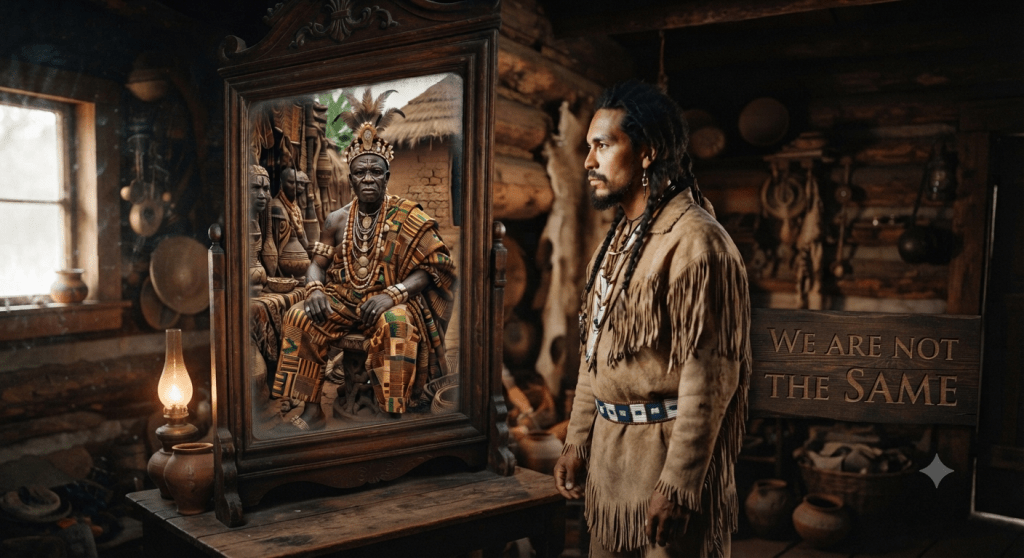
We Are Not The Same

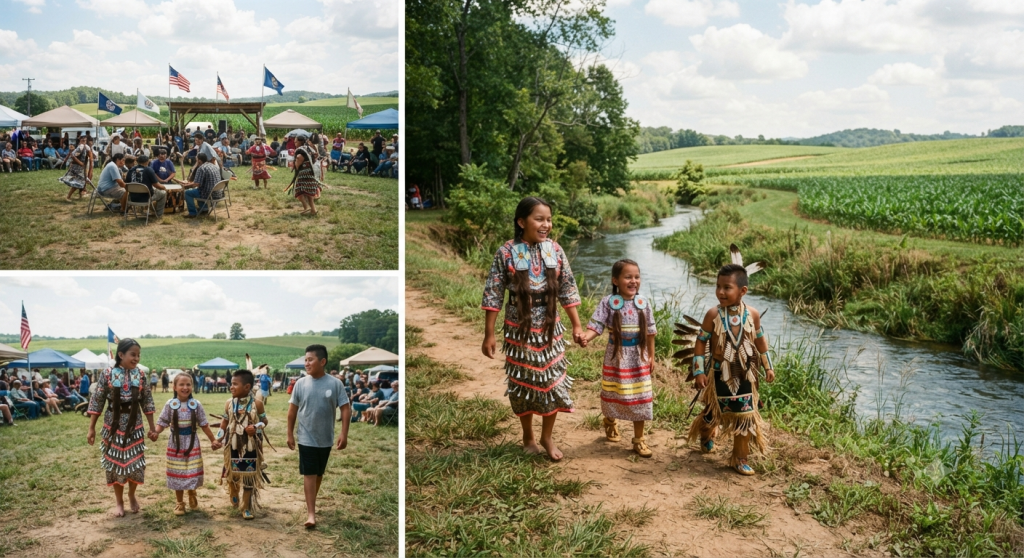
The ongoing national debate surrounding mass immigration is almost exclusively framed through a modern political lens: a head-on collision between the federal rule of law, national sovereignty, and global humanitarian crises. Yet, beneath the noise of mainstream media, a quieter and far more devastating crisis is unfolding. For the original, sovereign nations of this continent—particularly East Coast and historically marginalized tribes who have navigated centuries of displacement without a federal reservation land base—modern immigration patterns and the policies managing them have effectively become a new system of cultural and structural erasure.

To truly understand how this contemporary demographic shift impacts the rightful stewards of the land, we must peel back the layers of systemic overreach, ecological strain, and the painful mischaracterization of Indigenous identity by incoming populations.


1. The Erasure of Inherent Sovereignty and Original Boundaries

The most fundamental disrespect embedded in the modern immigration system is the complete omission of tribal nations from the conversation.

  • The Invisible Border: Mainstream political battles focus entirely on the legalities of the U.S. federal government versus state jurisdictions. By treating the land as an open real estate market or a political blank slate, both the government and incoming populations operate under the myth of “empty land.”
  • Overwriting the Covenant: For many Indigenous communities, their traditional region is not just a geographic space; it is a landscape bound by a multi-generational spiritual covenant of care and reciprocity. When mass immigration is facilitated without consulting tribal leadership, it effectively treats ancestral homelands as a political playground, entirely erasing original Indigenous boundaries and treaty rights.

2. The Strain on Localized Resources and Cultural Spaces

Because many state-recognized and non-federally acknowledged tribes frequently operate without federal subsidies or protected reservation lands, managing community stability alongside rapid regional population growth presents immediate, tangible challenges.

  • Competition for Local Infrastructure: Localized tribes often rely heavily on regional infrastructure, tribal fees, and limited state grants to fund community healthcare, elder care, and youth cultural programs. Rapid demographic influxes strain rural public schools and county services, diluting the localized support networks that tribal families rely on.
  • The Destruction of Traditional Foraging Grounds: Increased population growth directly drives urban sprawl, commercial zoning, and housing developments. As a result, the private or undeveloped forests where tribal members traditionally gathered medicinal plants, clay, or wood are progressively cleared, physically fracturing the close-knit, rural spaces where cultural practices were historically preserved.

3. The Weaponization of the Black-White Binary and Identity Misclassification

Perhaps the most painful and personal form of disrespect experienced by East Coast and southeastern Native peoples today is the direct invalidation of their identity by outsiders who view the American landscape through a rigid, foreign racial binary.

  • The Legacy of Paper Genocide: For generations, eastern tribes fought against “paper genocide”—the deliberate, legal erasing of Native identities from historical records by colonial and Jim Crow-era registrars who used arbitrary racial reclassifications to label Indigenous people as exclusively “Black,” “Colored,” or “White” in order to seize their land and dissolve their legal status.
  • The Ignorance of Newcomers: When modern immigrants arrive without understanding this complex historical trauma, they frequently view the American landscape strictly through a binary lens. To be told by a newcomer that you “do not belong here” or to have your heritage reclassified as entirely foreign—knowing your ancestors’ roots are buried deep in this soil for thousands of years—is a profound violation of inherent sovereignty. It treats the original stewards of the house as if they are visitors.

4. The True Root: Systems, Not Individuals

While the friction between incoming populations and Indigenous descendants is real, it is critical to recognize that individual migrants are not the architects of this erasure. Rather, they are operating within a rigid, colonial infrastructure designed by the state to overwrite original sovereign identities.

  • The Failure of Recognition Frameworks: The federal government’s two-tiered system prioritizes certain tribes while leaving historic nations to spend decades fighting bureaucratic battles for official recognition. Without a federally protected land base, tribes remain legally vulnerable to local zoning laws and corporate development.
  • The Property Commodity System: Western property law treats the earth as a commodity to be split, paved, and sold for maximum profit. This system does not recognize a spiritual alliance with nature. When population growth occurs, the real estate system automatically responds with suburban development and deforestation, legalizing the destruction of the natural world and stripping original stewards of the clean resources required to maintain their traditional way of life.

Conclusion: Reclaiming the Narrative

The intersection of mass immigration and Indigenous erasure is a complex, multi-layered crisis. It forces a head-on collision between definitions of legal order, human survival, and historical justice. For original peoples, the fight is not merely about a border; it is a vital defense of their ancestors’ refusal to be erased by the state or misclassified by the public. True respect for the land cannot exist without recognizing the unbroken lineage of the people who have guarded its spirit since time immemorial